History, art and architecture
- History of the Legislature
- Art in LegCo
- Architectural design
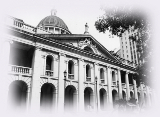
On 26 June 1843, Queen Victoria proclaimed the Letters Patent at the Government House, authorized the establishment of the Legislative Council and empowered "the Governor for the time being ... with the advice of the said Legislative Council ... to make and enact all such Laws and Ordinances as may from time to time be required for the peace, order and good government ... of Hong Kong". The Letters Patent of 1888, which replaced the 1843 Charter, added the significant words "and consent" after the words "with the advice".
Hong Kong became a Special Administrative Region of the People's Republic of China on 1 July 1997. Under the Basic Law of the Hong Kong Special Administrative Region of the People's Republic of China ("the Basic Law"), which came into effect on the same day, the Hong Kong Special Administrative Region ("HKSAR") is vested with legislative power and the Legislative Council is the legislature of the HKSAR.
Articles 66 to 79 of the Basic Law provide for, among other matters, the formation, term of office, powers and functions of the Legislative Council. The main functions of the Legislative Council are to enact, amend or repeal laws; examine and approve budgets, taxation and public expenditure; and raise questions on the work of the government. In addition, the Legislative Council is also given the power to endorse the appointment and removal of the judges of the Court of Final Appeal and the Chief Judge of the High Court, as well as the power to impeach the Chief Executive.
The Legislative Council has undergone great changes over the past one and a half centuries and evolved from being an advisory body to a legislature with powers and functions to render checks and balances on the executive authorities.
The following chronicles the evolution of the Legislative Council from 1843:
The Legislative Council (the "LegCo") considers that Art is a significant part of a vibrant and dynamic international city like Hong Kong, and that it is important to acquire and install appropriate artworks in the LegCo Complex with a view to integrating the functional and aesthetic considerations in key spaces of the new Complex and enriching the cultural life of Hong Kong city and the public.
Suitable locations have been identified for building in or placing of original works of art in the LegCo Complex. Different modes of acquisition including open call for artwork proposals, direct purchase and commissioning and loan from Government museums are adopted for the Art Acquisition Project which started in 2009. In line with the art policy for the LegCo Complex, the art acquisition would have the following criteria:
- To reflect the dignity, solemnity, function and ideals of the Legislature;
- To enhance the environment of the Complex;
- To set an example for Hong Kong in making art a part of the everyday life of citizens;
- To help promote the strength and diversity of art and craft in Hong Kong; and
- To be in good condition, of acceptable professional standard, and of a scale, subject matter and character appropriate to the status of the Legislature.
Selected artworks on display in the LegCo Complex:
The People
Installation by Cornelia ERDMANN

On the MTR Series
Ink and Colour on Paper by LAI Kwan-ting Sue

A Recess in the Banks
Colour on Silk by KOON Wai-bong


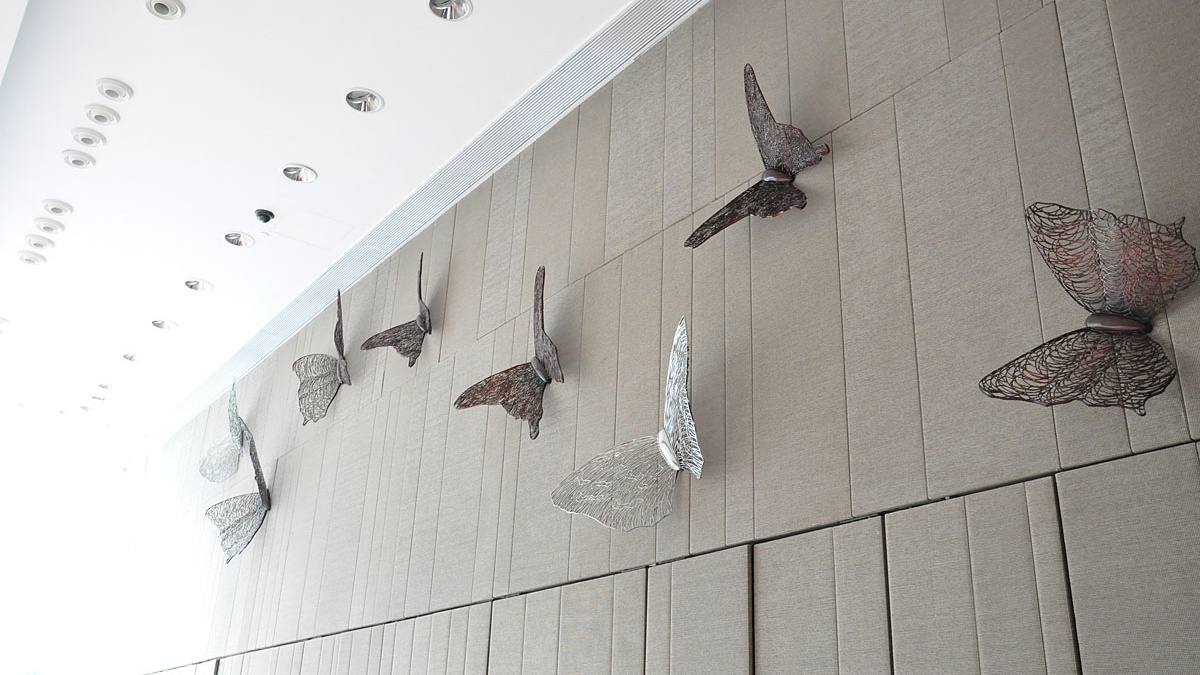
Re-vitalizing
Sculptural installation by MOK Yat-sun, MAN Fung-yi
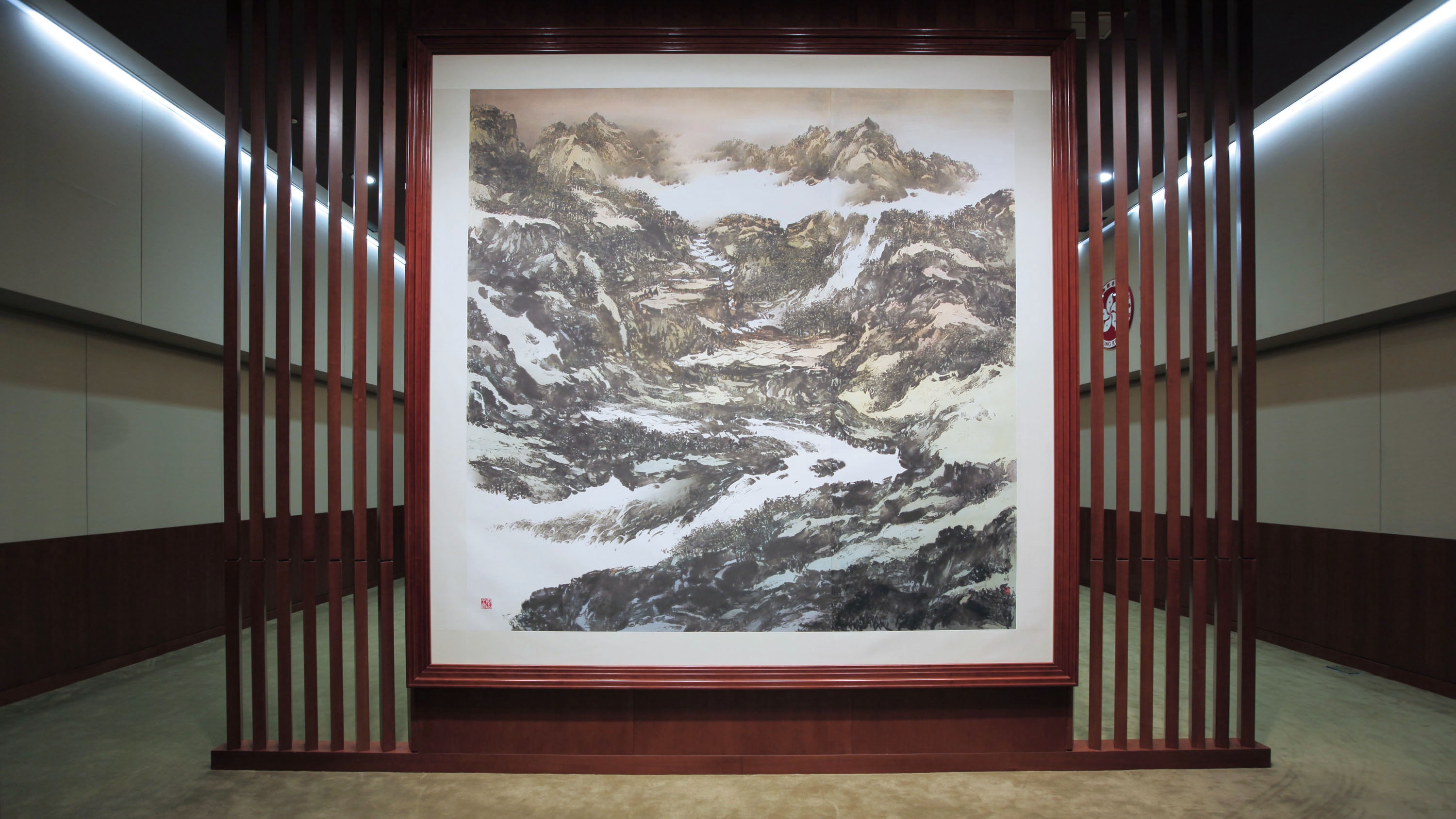
Mountains and Clouds
Ink and colour on paper by KOO Mei
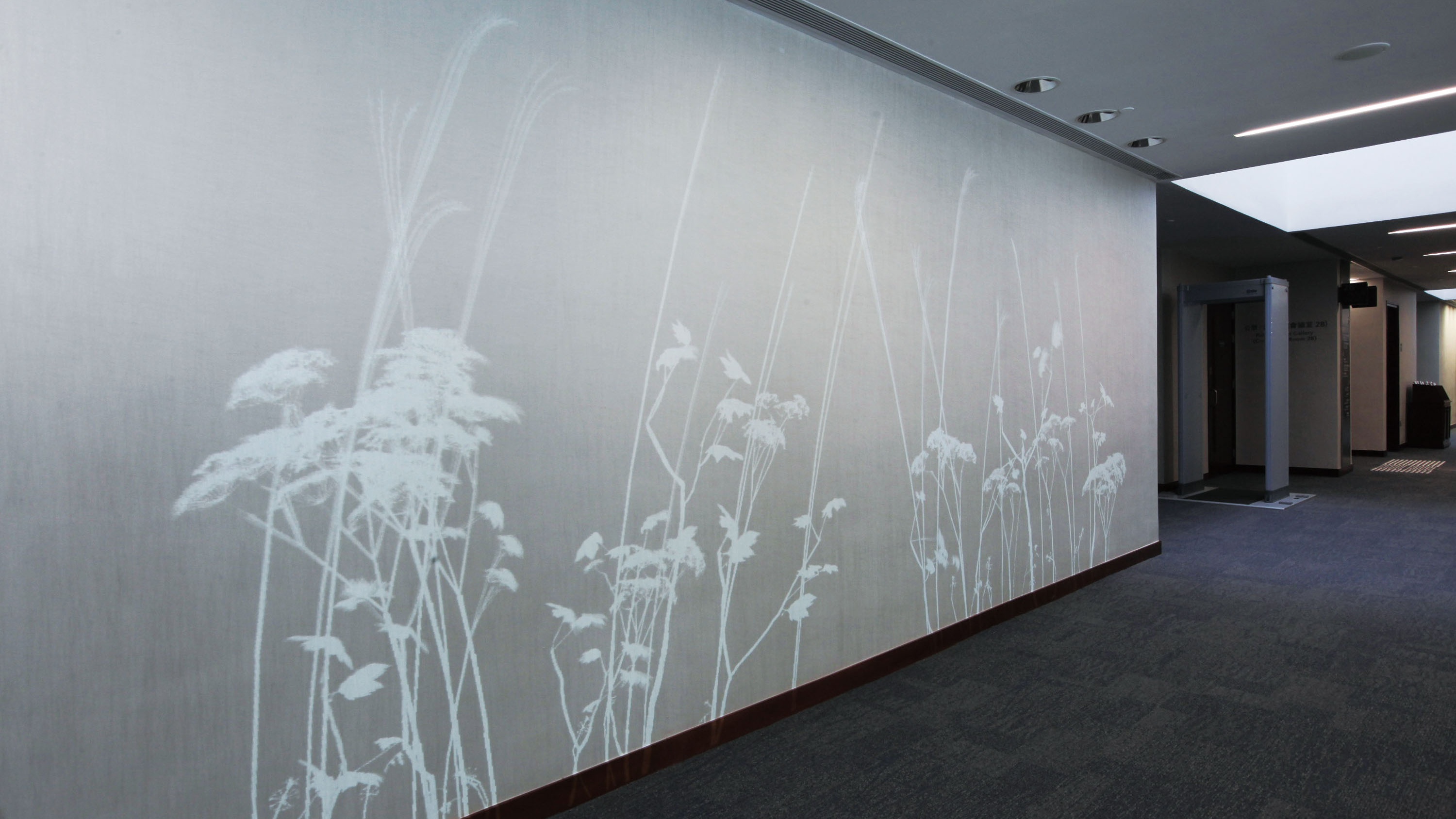
Huayuan
Interactive digit projection by Simon HEIJDENS
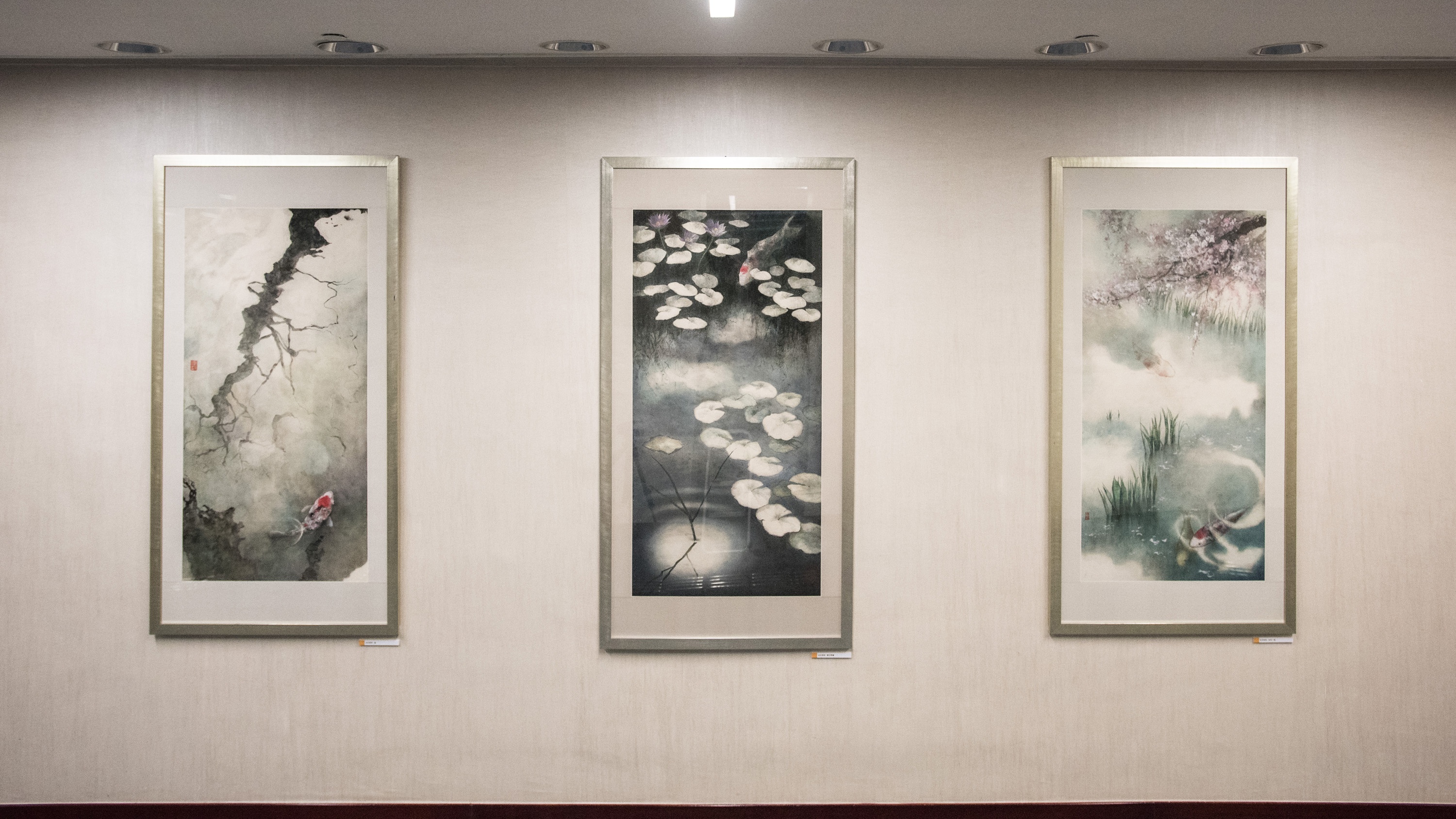
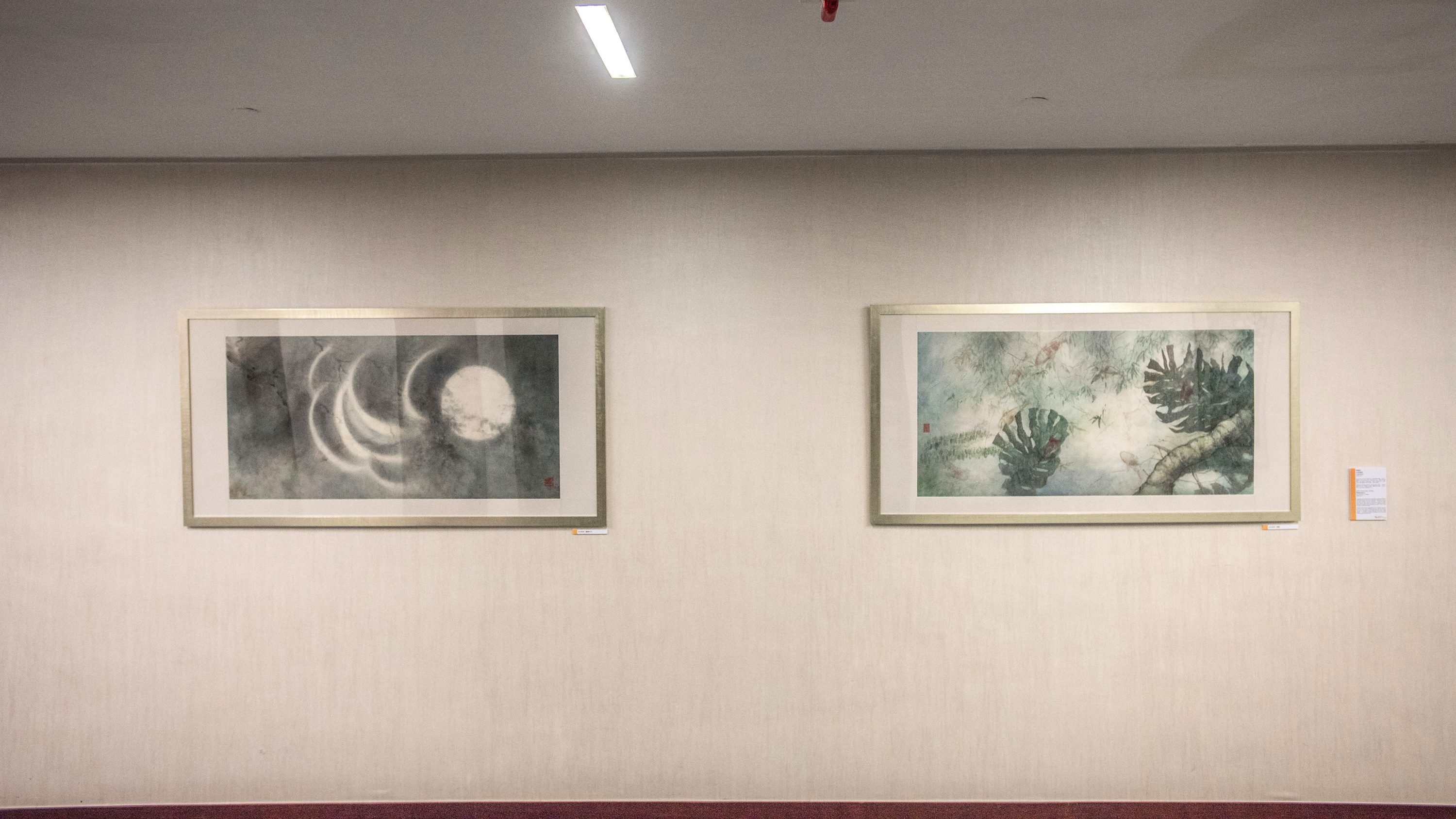
Reflections
Ink and colour on paper by CHO Kwok-ting
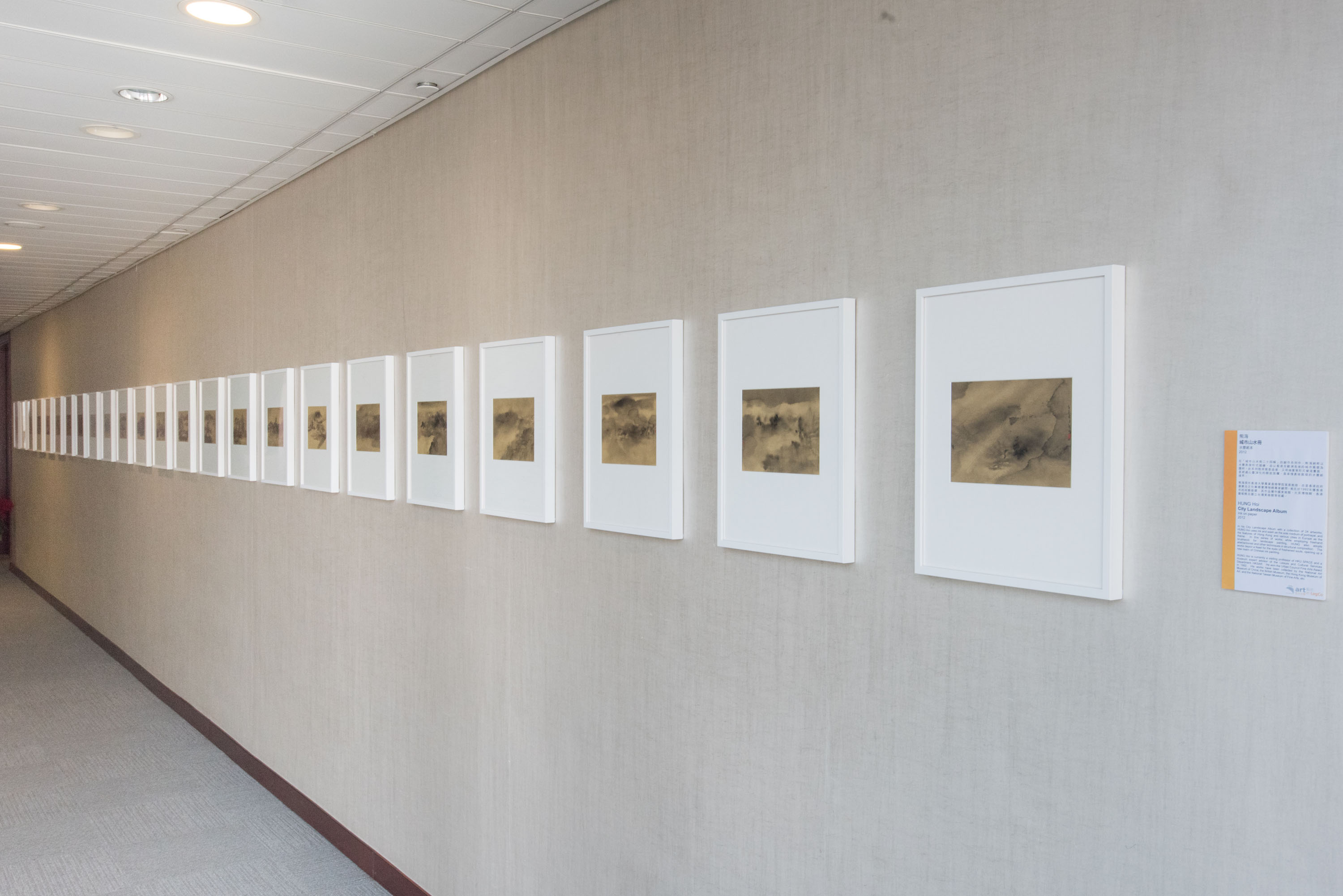
City Landscape Album
Ink on paper by HUNG Hoi
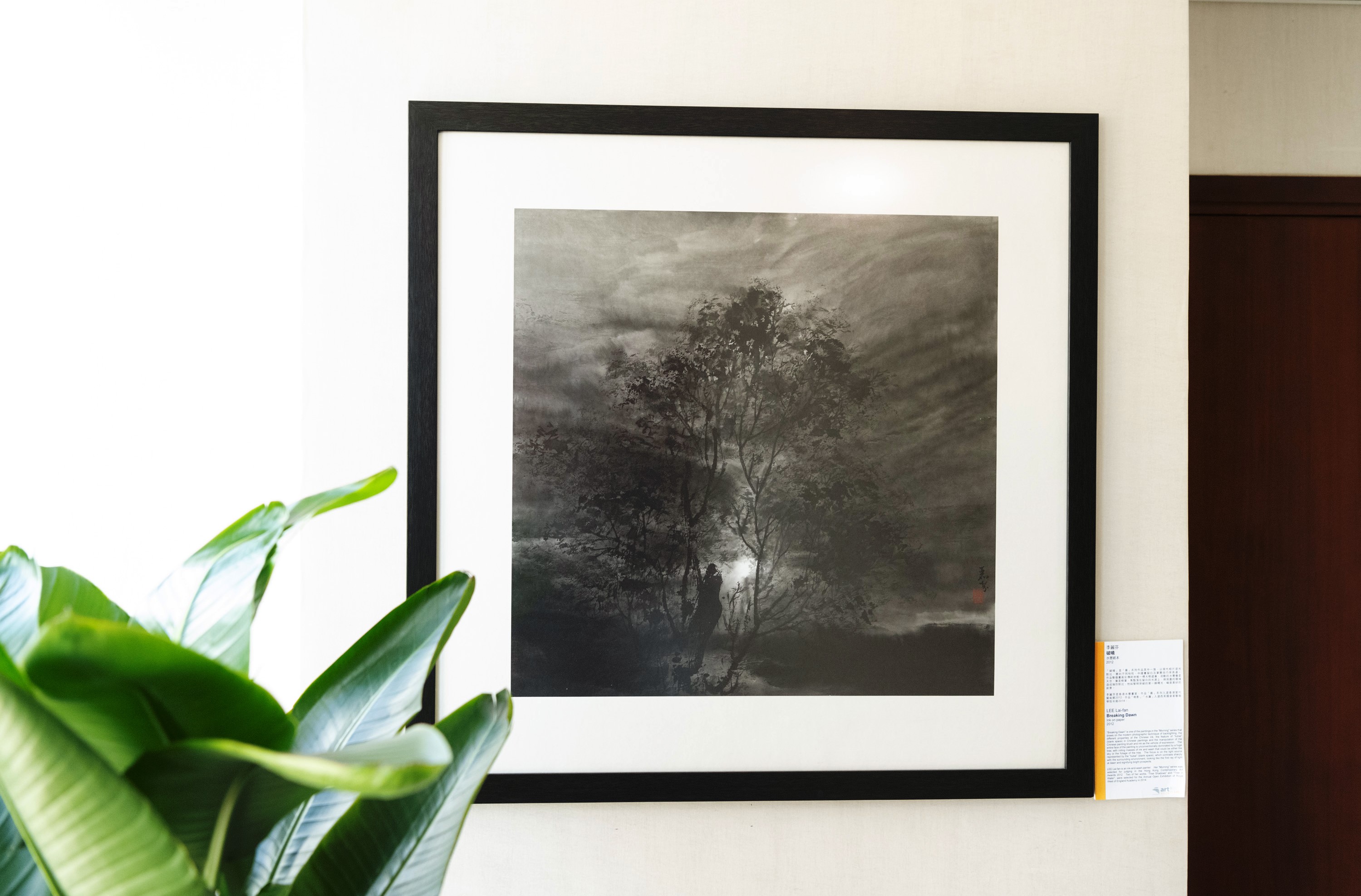
Breaking Dawn
Ink on paper by LEE Lai-fan
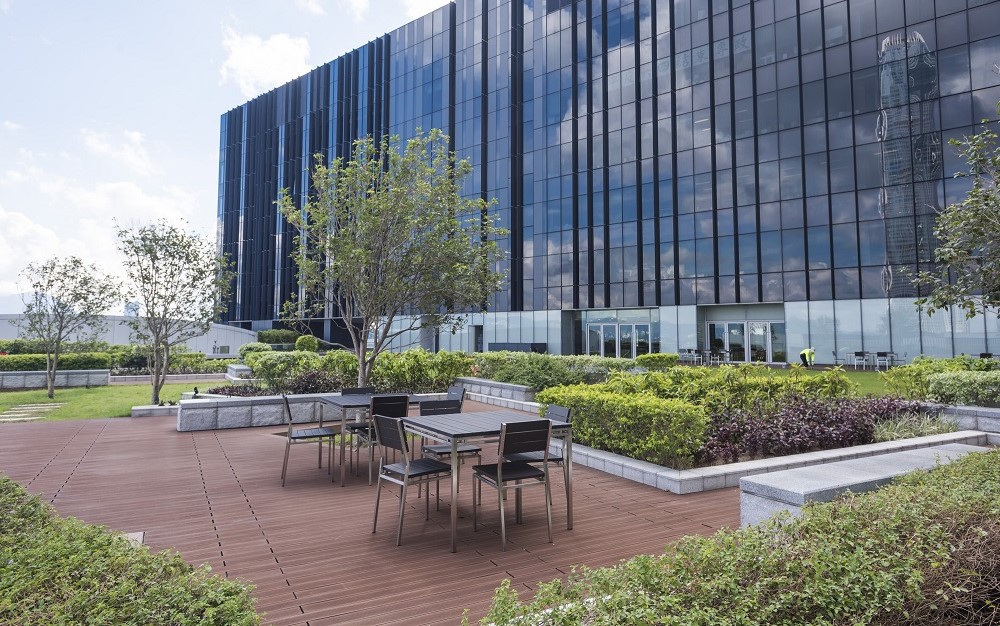
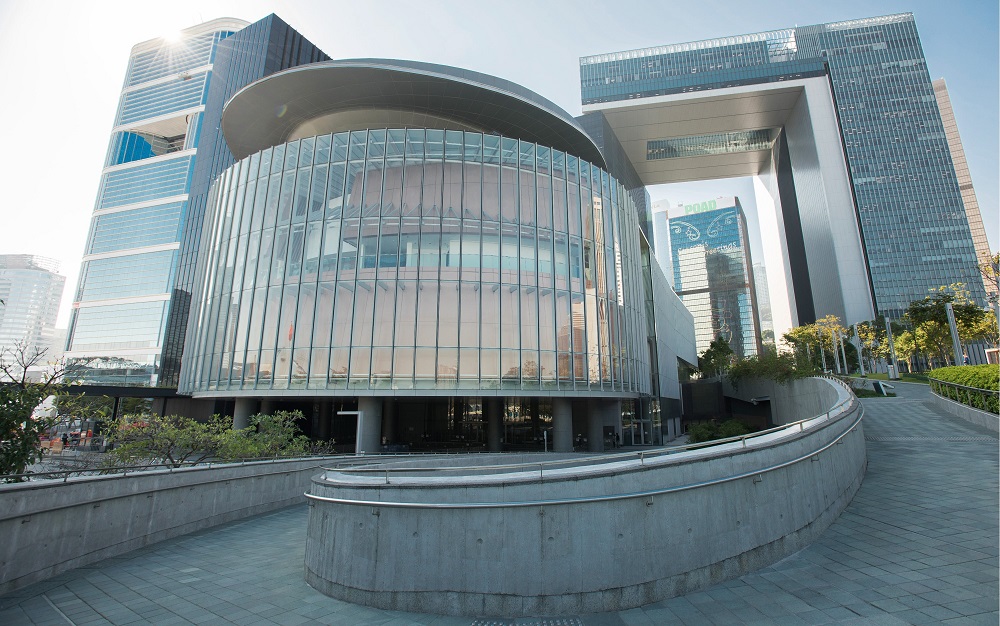
The Legislative Council Complex is the first purpose-built building to house the Legislature of Hong Kong. The Director of Administration confirmed in her letter dated 23 February 2012 that the premises and areas within the Tamar site which are managed by The Legislative Council Commission include the LegCo Complex, situated at 1 Legislative Council Road, Central, Hong Kong (except the Public Officers' Office inside the Complex); and the open areas surrounding the Complex.
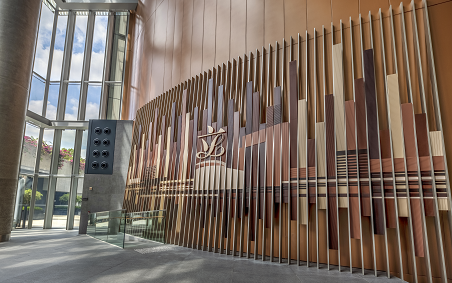
The Tamar Project has been designed with the main theme of "Doors Always Open", "Land Always Green", "Sky Will Be Blue" and "People Will Be Connected". The overall design concept of the LegCo Complex aims to project the independent and special status and the transparent and dignified image of the Legislature. The LegCo Complex demonstrates a strong emphasis on the vertical lines and features as the integrative design element. The interior design theme of the LegCo Complex integrates both elements of solemnity and prudence, and of openness and empathy, as symbolically represented by "square" (which denotes restraints) and "round" (which denotes changes) shapes used strategically in the interior design of the various lobby halls and conference rooms.
The Complex is the first public works in-situ expansion project using the Modular Integrated Construction method (MiC) in Hong Kong. The on-site works commenced in September 2022, and the entire project completed in the end of 2025.