The Legislative Council


Annual Report 2024
Introduction
Meetings of the Legislative Council (“LegCo”) are open to the public and may be conducted in Cantonese, English or Putonghua, with simultaneous interpretation and sign language interpretation. The proceedings of Council meetings are broadcast live on LegCo’s website, reported by the mass media, and recorded verbatim in the Official Record of Proceedings of LegCo. The business transacted at regular Council meetings mainly includes tabling of subsidiary legislation, papers and reports; asking of questions for replies from the Government; consideration of bills; and debates on motions.
Council meetings held
(the 2024 session began on 10 January until 27 December 2024)
(the 2024 session began on 10 January until 27 December 2024)
36
(including one Chief Executive’s Question and Answer Session and two Chief Executive’s Interactive Exchange Question and Answer Sessions)
(including one Chief Executive’s Question and Answer Session and two Chief Executive’s Interactive Exchange Question and Answer Sessions)
Meeting hours
331
Tabling of subsidiary legislation, papers and reports
Subsidiary legislation refers to any proclamation, rule, regulation, order, resolution, notice, rule of court, bylaw or other instrument made by designated authorities under or by virtue of relevant ordinances and having legislative effect. Such legislation is subject to LegCo’s scrutiny through the positive or the negative vetting procedure. Members or public officers may move motions in Council meetings to amend subsidiary legislation.
Papers tabled in Council include annual reports of government departments and public bodies, as well as reports of the Council’s committees. Members and public officers may address the Council on these reports.
Subsidiary legislation subject to negative vetting tabled
164
Papers and reports tabled
194
Questions
Any Member may address questions to the Government on its work, either seeking information on a particular matter or asking for official action with regard to that matter. The Member must specify whether an oral or a written reply is required. For questions seeking oral replies, supplementary questions may be put by any Member to request further elaboration after the public officer has replied. Members may, with the President’s permission, ask urgent questions on the ground that they are of an urgent character and relate to matters of public importance.
Oral questions
156
Supplementary questions
953
Written questions
501
Bills
The Government is primarily responsible for proposing new legislation or amendments to existing legislation in the form of bills for consideration by the Council. Subject to certain conditions, Members may introduce bills into the Council. A bill has to be given three readings for its passage by the Council. A copy of every bill passed by the Council, certified as a true copy by the Clerk to LegCo, shall be submitted to the Chief Executive for signature.
Bills introduced
• By the Government: 32
• By Member: 1
• By Member: 1
Bills passed
• Government bills with amendments: 18
• Government bills without amendment: 16
• Member’s bill with amendments: 1
• Member’s bill without amendment: 0
• Government bills without amendment: 16
• Member’s bill with amendments: 1
• Member’s bill without amendment: 0
Motions
Motions are a mechanism through which most Council business is transacted. Consideration of a bill takes place by way of a series of motions moved, debated and voted upon by Members. Amendments to bills and approval for or amendments to subsidiary legislation subject to positive vetting are effected through motions. Subsidiary legislation subject to negative vetting may also be amended by way of motions.1
The Government may move motions under Article 73(7) of the Basic Law (“BL”) to seek the Council’s endorsement of the appointment of the judges of the Court of Final Appeal.
• Moved: 13
• Passed: 13
• Passed: 13
Proposed resolution to amend subsidiary legislation subject to negative vetting
• Moved: 0
• Passed: 0
• Passed: 0
Members may debate motions not intended to have legislative effect. These debates provide opportunities for Members to express views on issues concerning public interest and call on the Government to take actions. Such motions include motions moved under Rule 16(2) or 16(4) of the Rules of Procedure (“RoP”) for the adjournment of the Council for debate on issues of urgent public importance or concerning public interest.2
• Moved: 46
• Passed: 46
• Passed: 46
-
Motions with legislative or binding effect may be called “proposed resolutions”.
-
No motion for the adjournment of the Council under RoP 16(2) or 16(4) was moved in this session.
Policy Address debate
The Chief Executive (“CE”) delivers a Policy Address to the Council annually. The Chairman of the House Committee moves a motion to thank CE for the Policy Address (“Motion of Thanks”) at a Council meeting held after the address. A debate follows, with Members giving views on the Policy Address and public officers responding to such views.
Delivery of the 2024 Policy Address
16 October 2024
Debate on Motion of Thanks
13 to 15 November 2024
Voting on the Motion
15 November 2024 (passed)
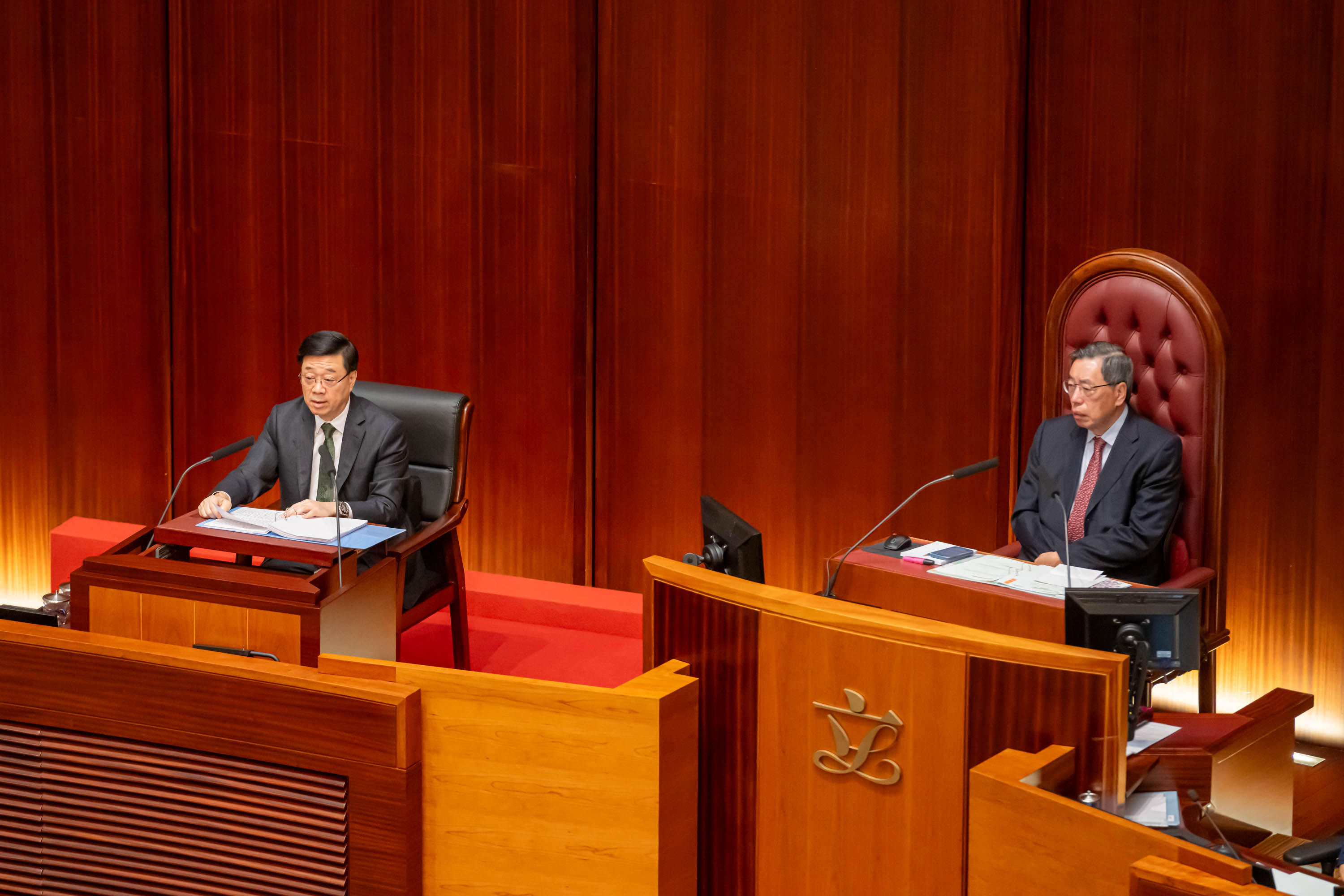
The Chief Executive, Mr John LEE Ka-chiu, delivers the 2024 Policy Address, entitled “Reform for Enhancing Development and Building our Future Together”, to the Council on 16 October 2024
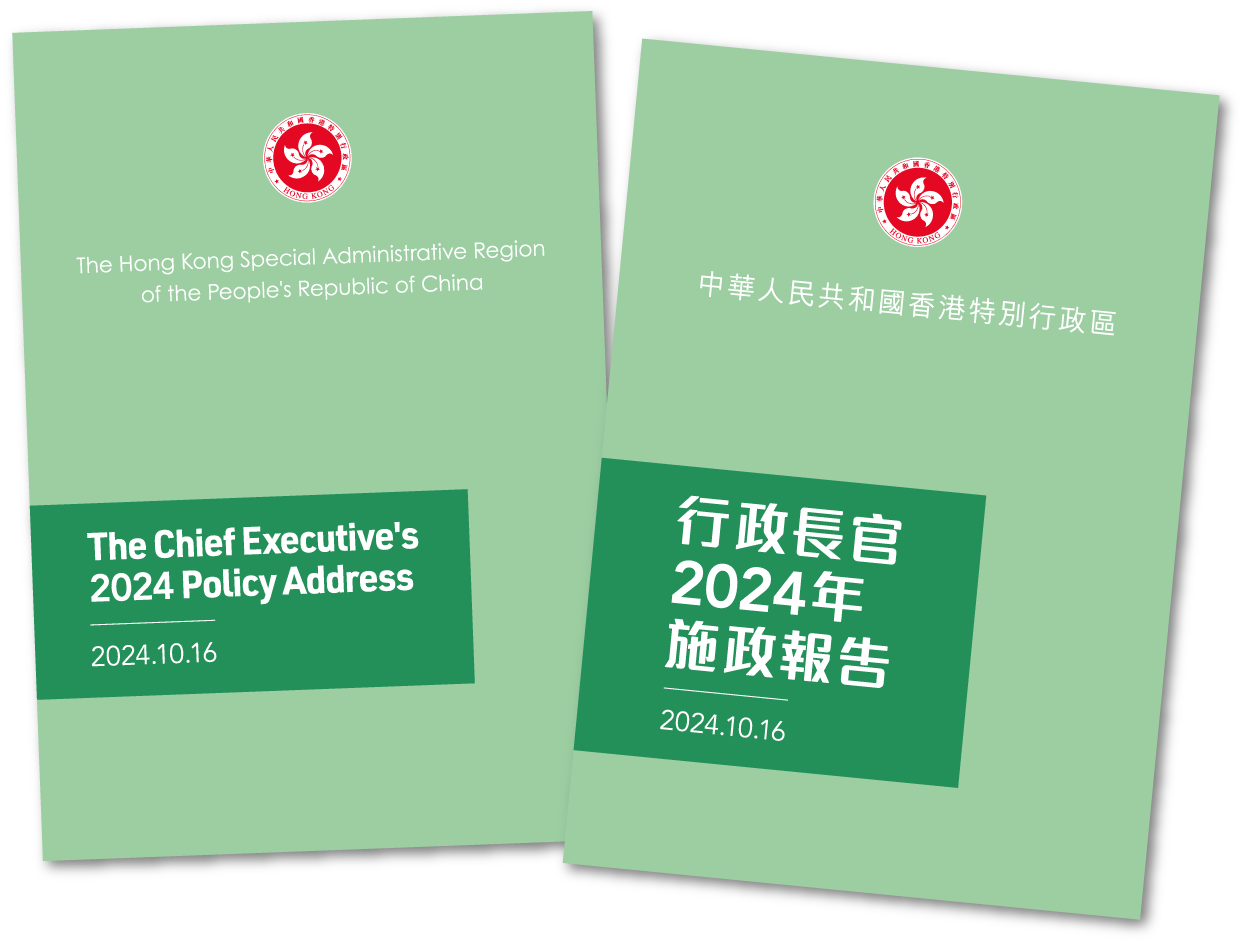
2024 Policy Address
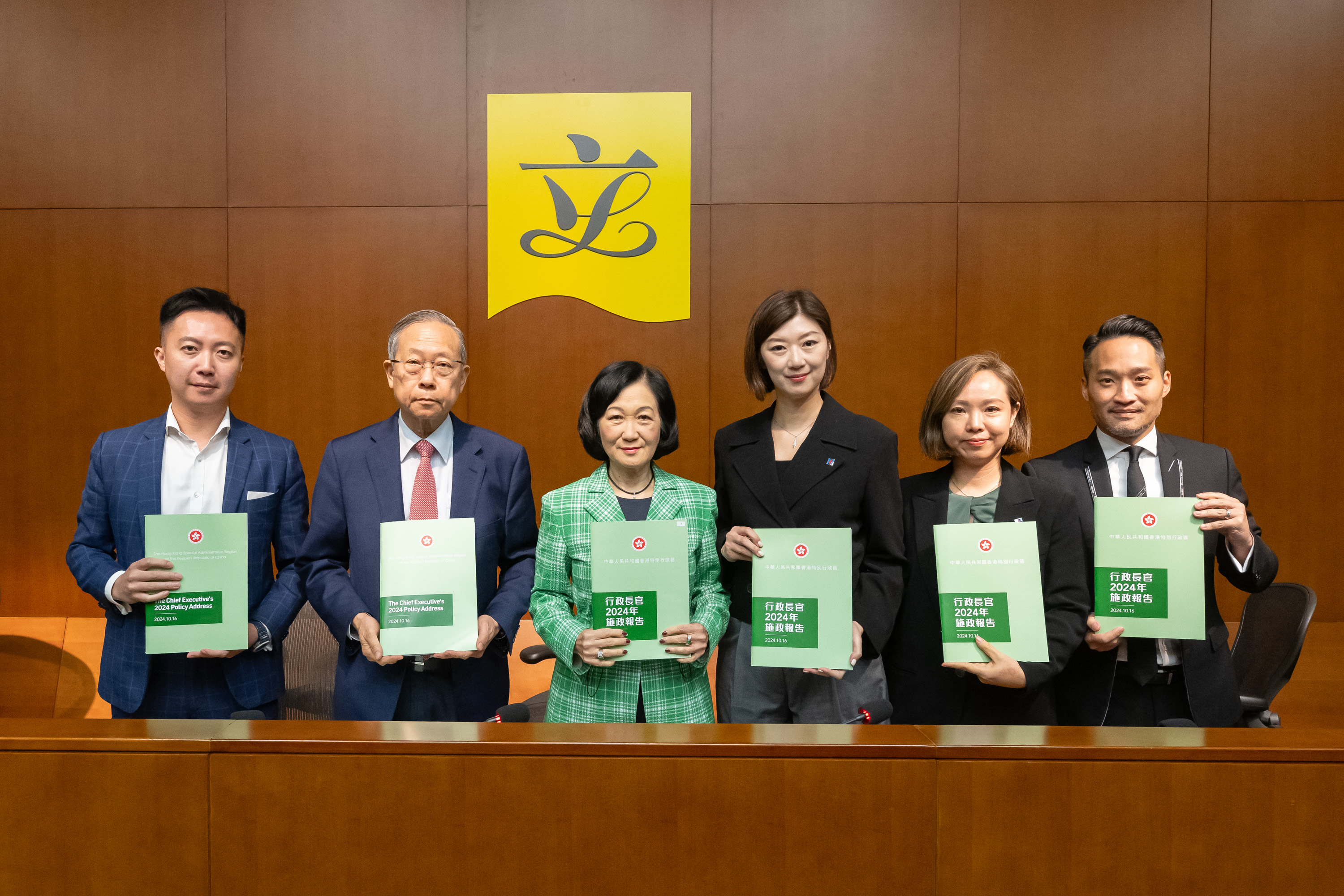
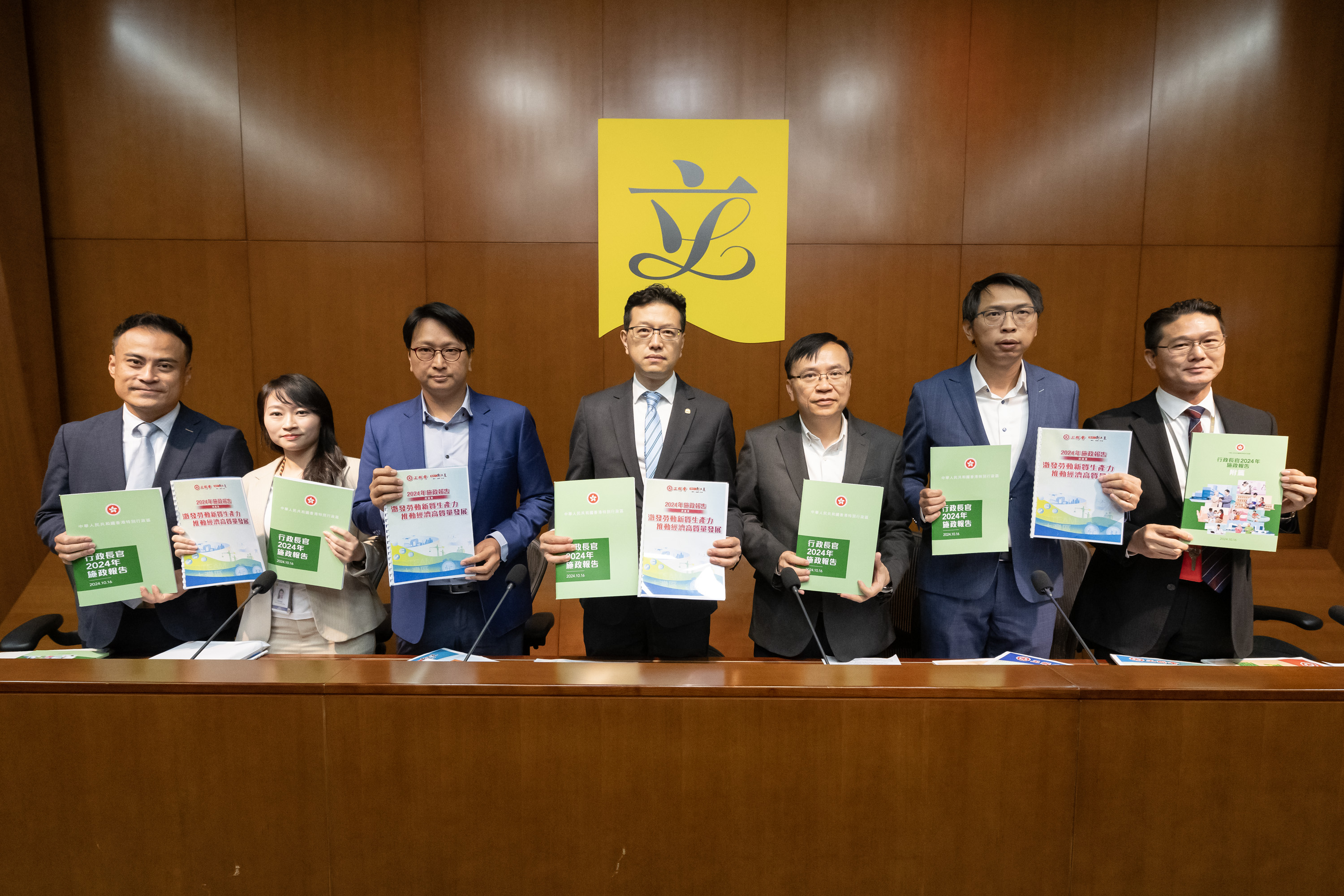
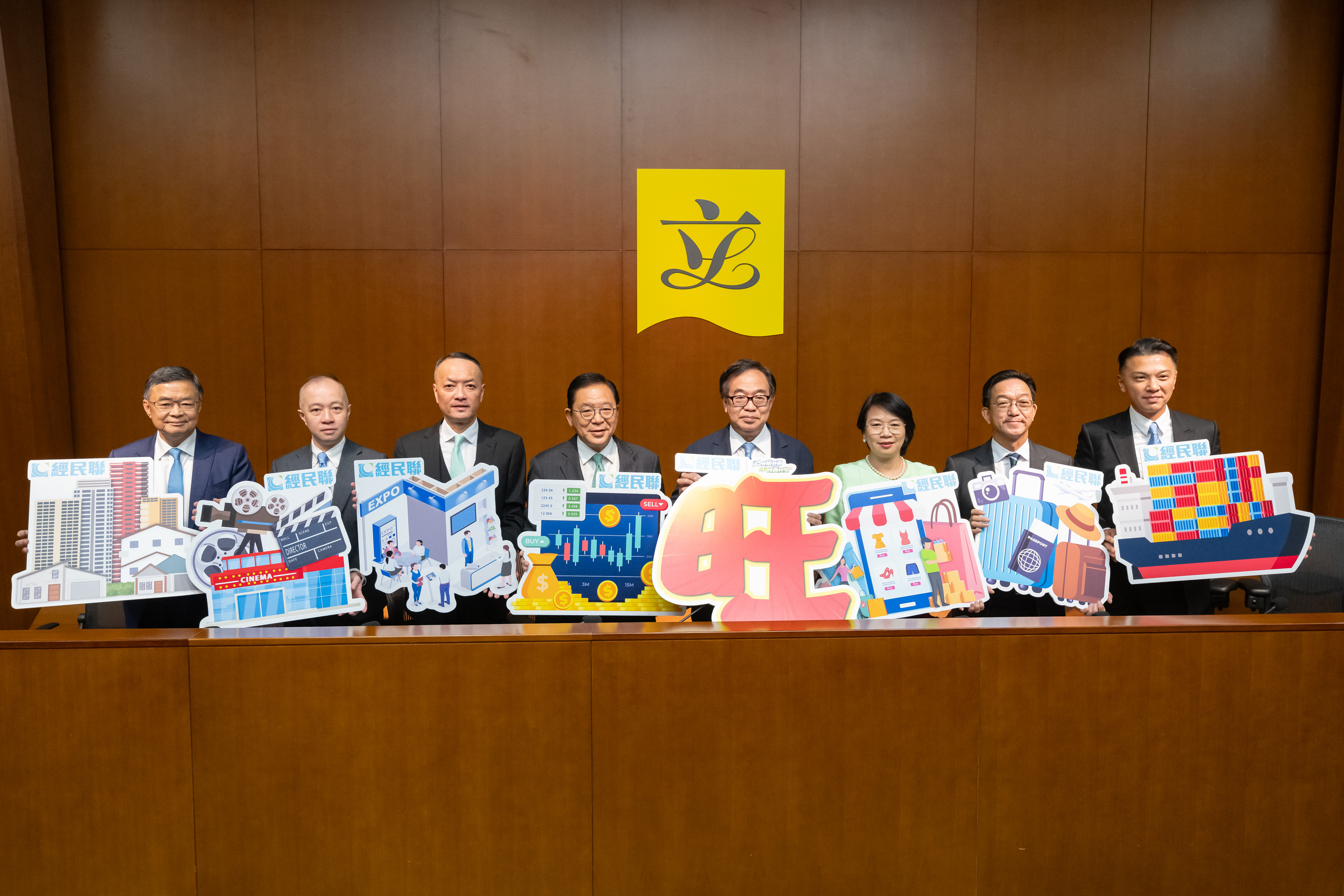


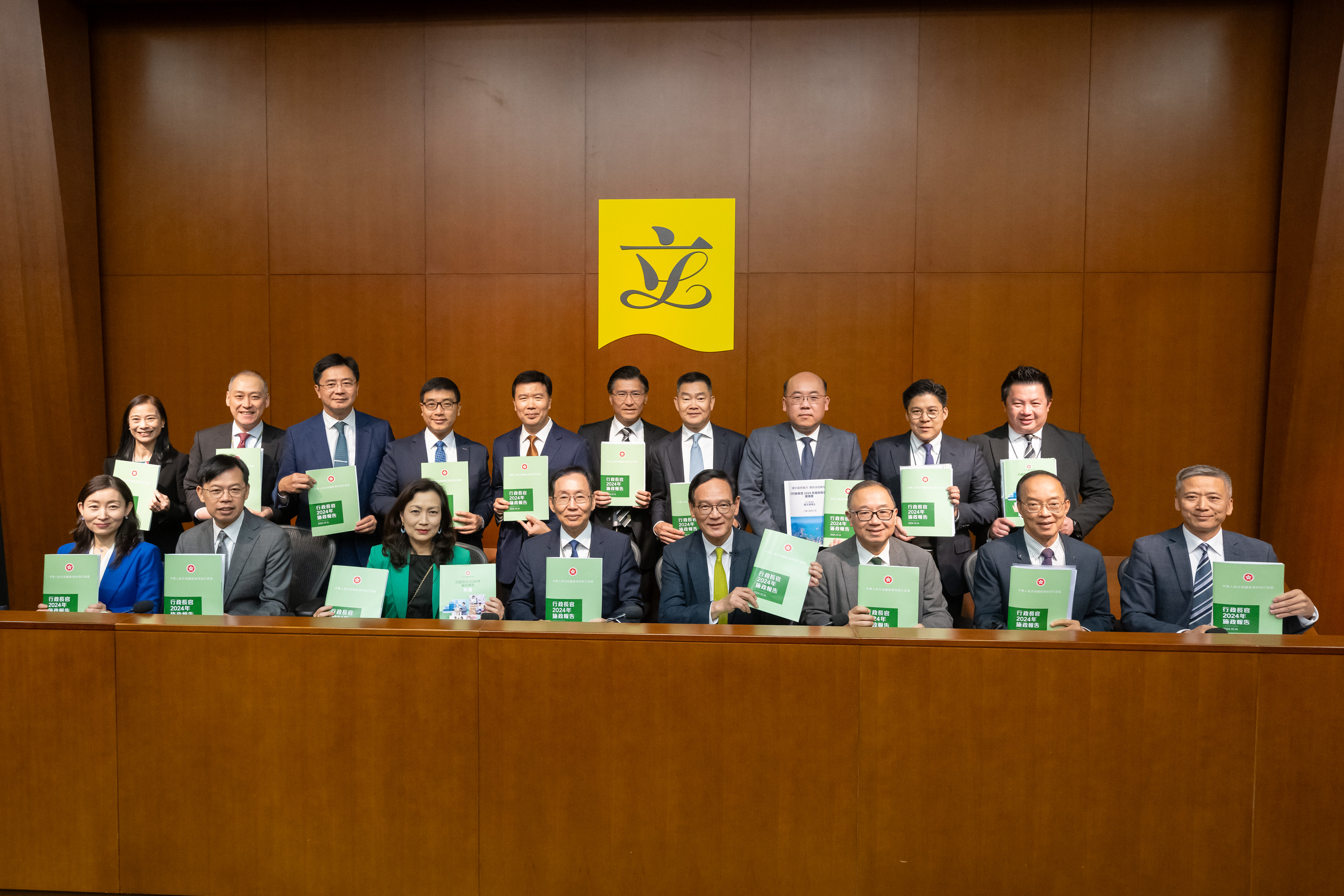


Members of different political affiliations respond to the Policy Address at media briefings
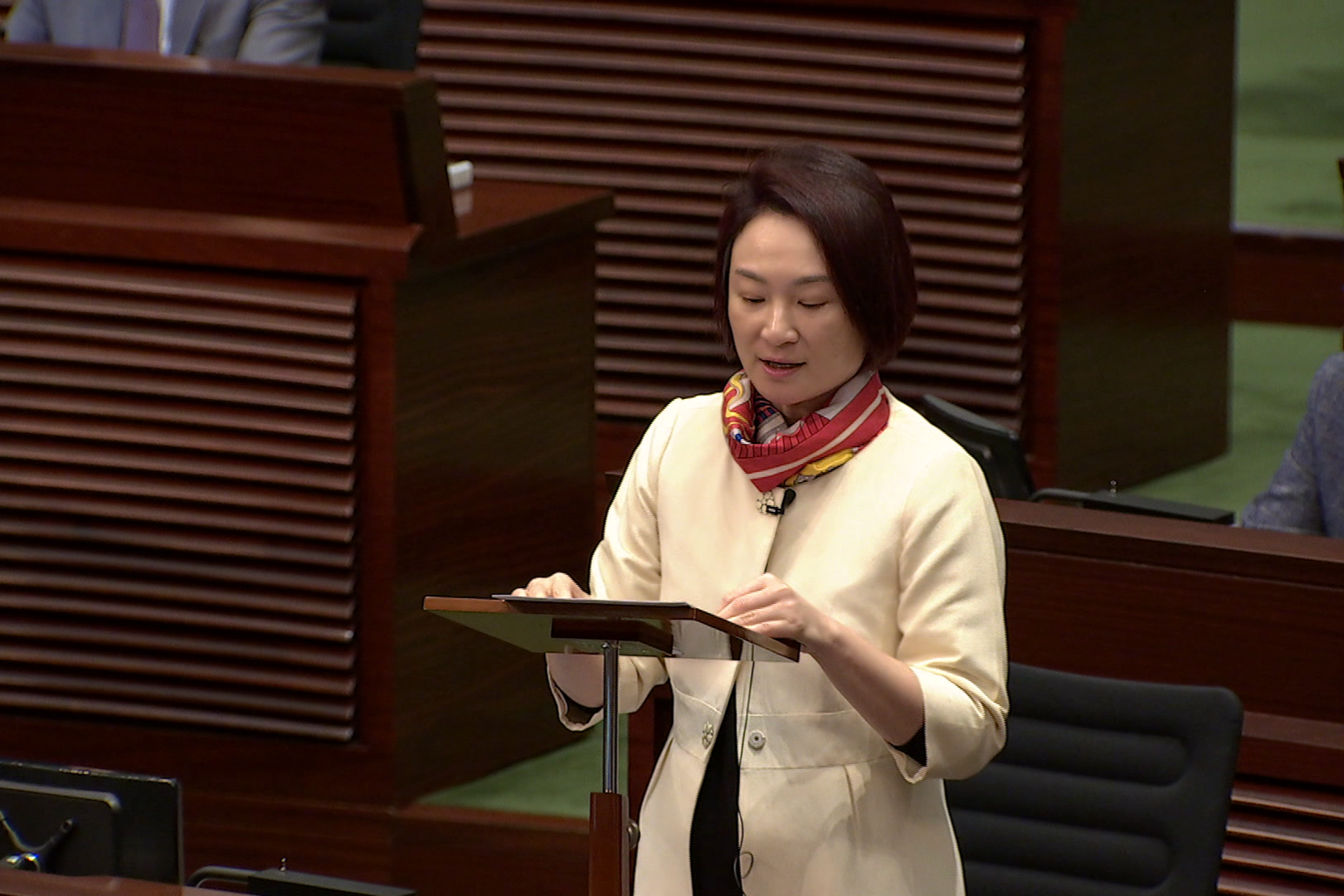
Chairman of the House Committee, Dr Hon Starry LEE Wai-king, moves the motion debate on the 2024 Policy Address at the Council meeting of 13 November 2024
Budget debate
Before the end of a financial year on 31 March, the Financial Secretary presents to the Council his Budget for the next financial year commencing on 1 April in the form of an Appropriation Bill and the Estimates of Expenditure. After the Finance Committee has examined the proposed Estimates of Expenditure at its special meetings, the Appropriation Bill is brought back to the Council for consideration and decision. The Finance Committee held eight special meetings between 15 and 19 April 2024 to examine the 2024-2025 Estimates of Expenditure.
No amendments were proposed to the Appropriation Bill 2024 (“Bill”). The Budget debate lasted for two meetings.
Bill introduced
28 February 2024
Resumption of Second Reading debate on the Bill, consideration by committee of the whole Council and Third Reading
24 and 25 April, and 8 May 2024
(two meetings)
(two meetings)
Bill passed
8 May 2024

The Financial Secretary, Mr Paul CHAN Mo-po, presents the annual Budget Speech at the Council meeting of 28 February 2024
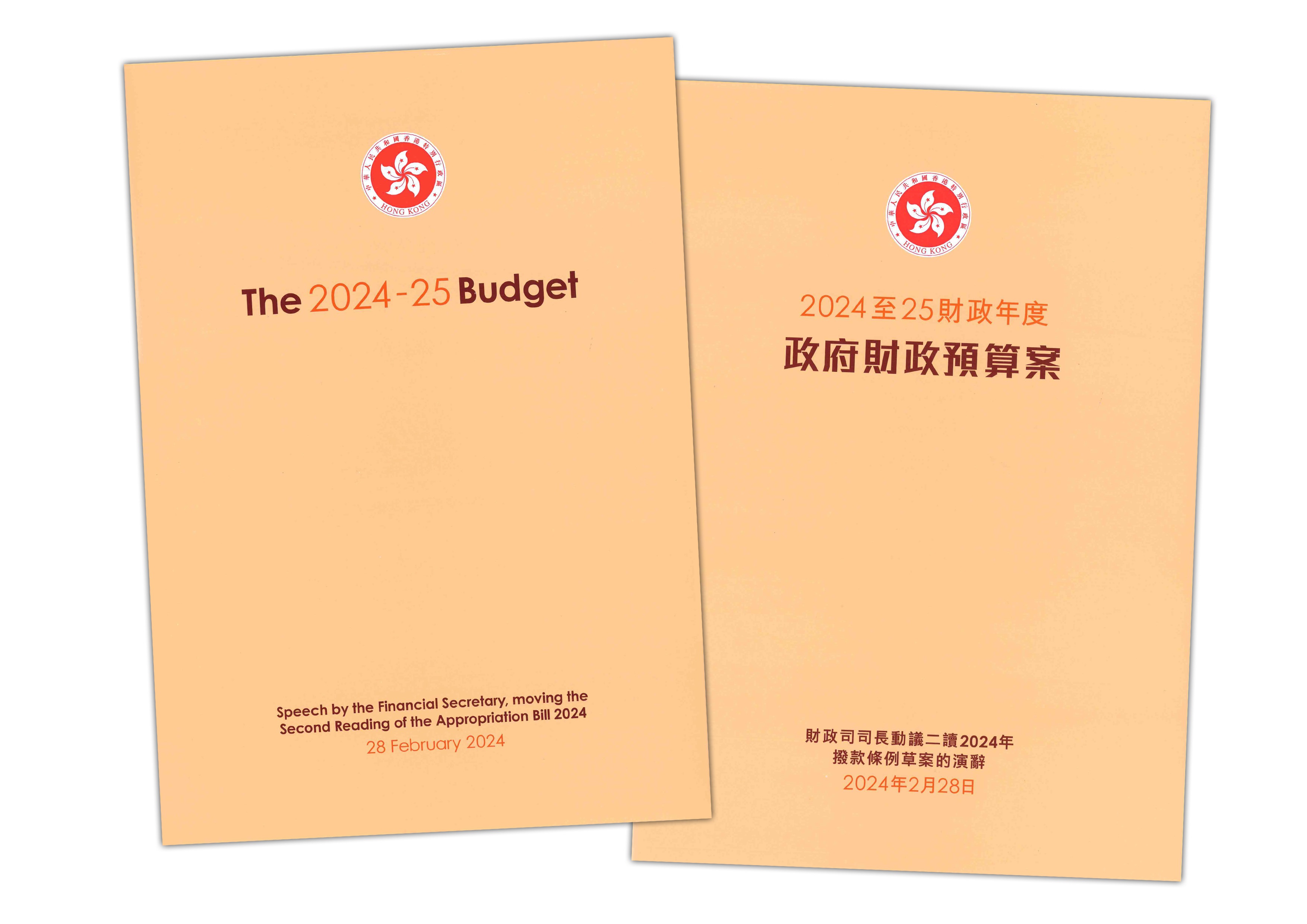
The 2024-25 Budget
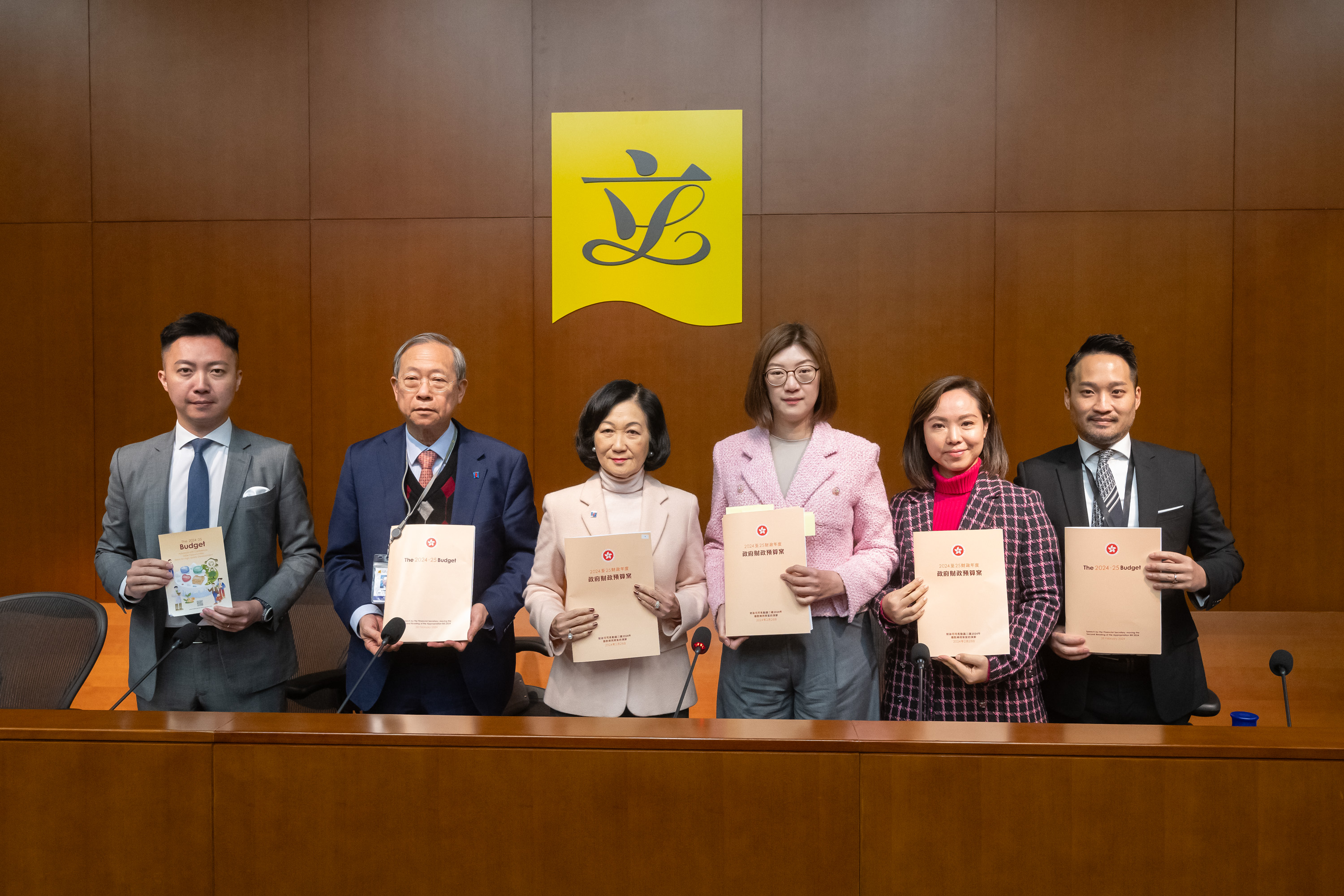


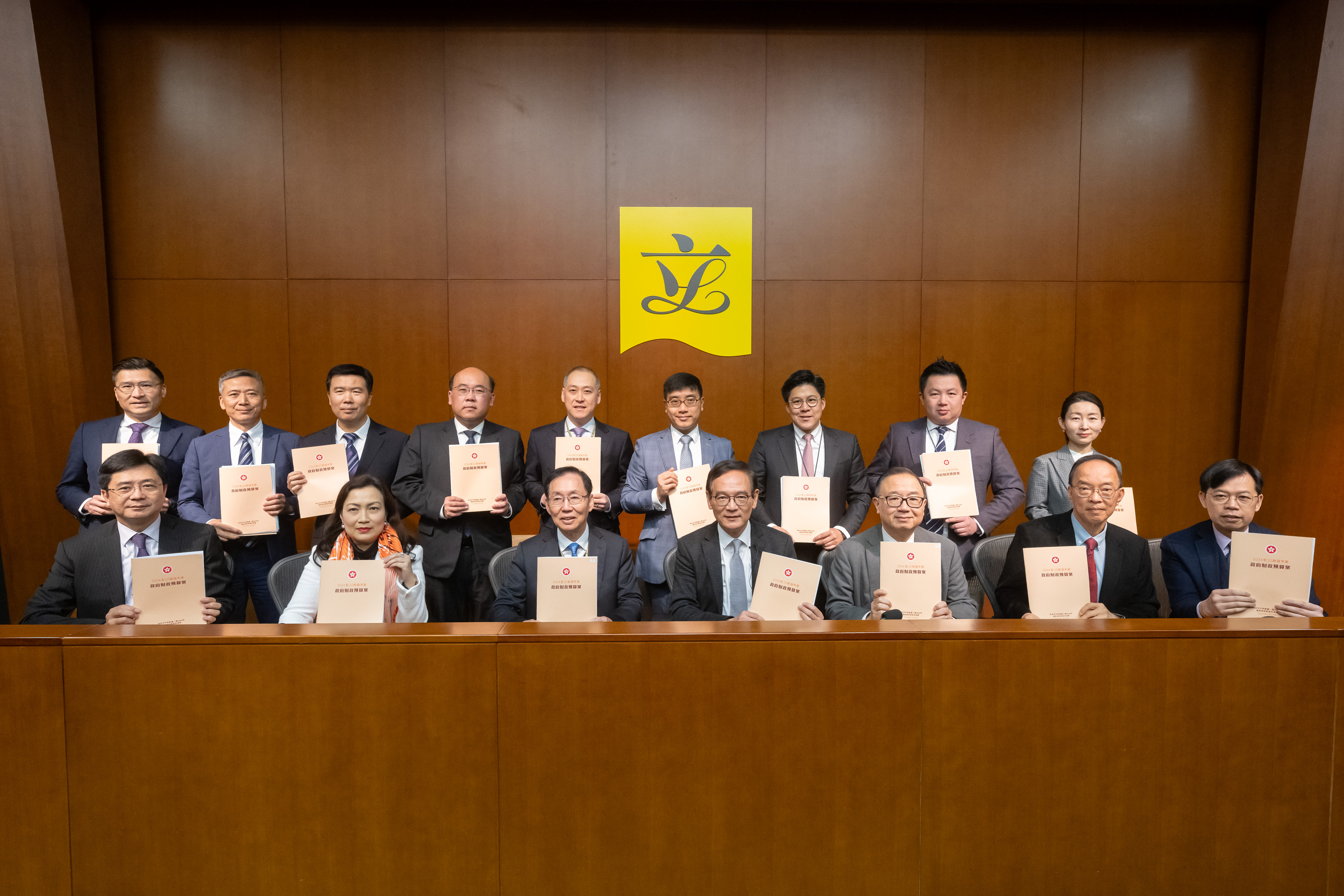

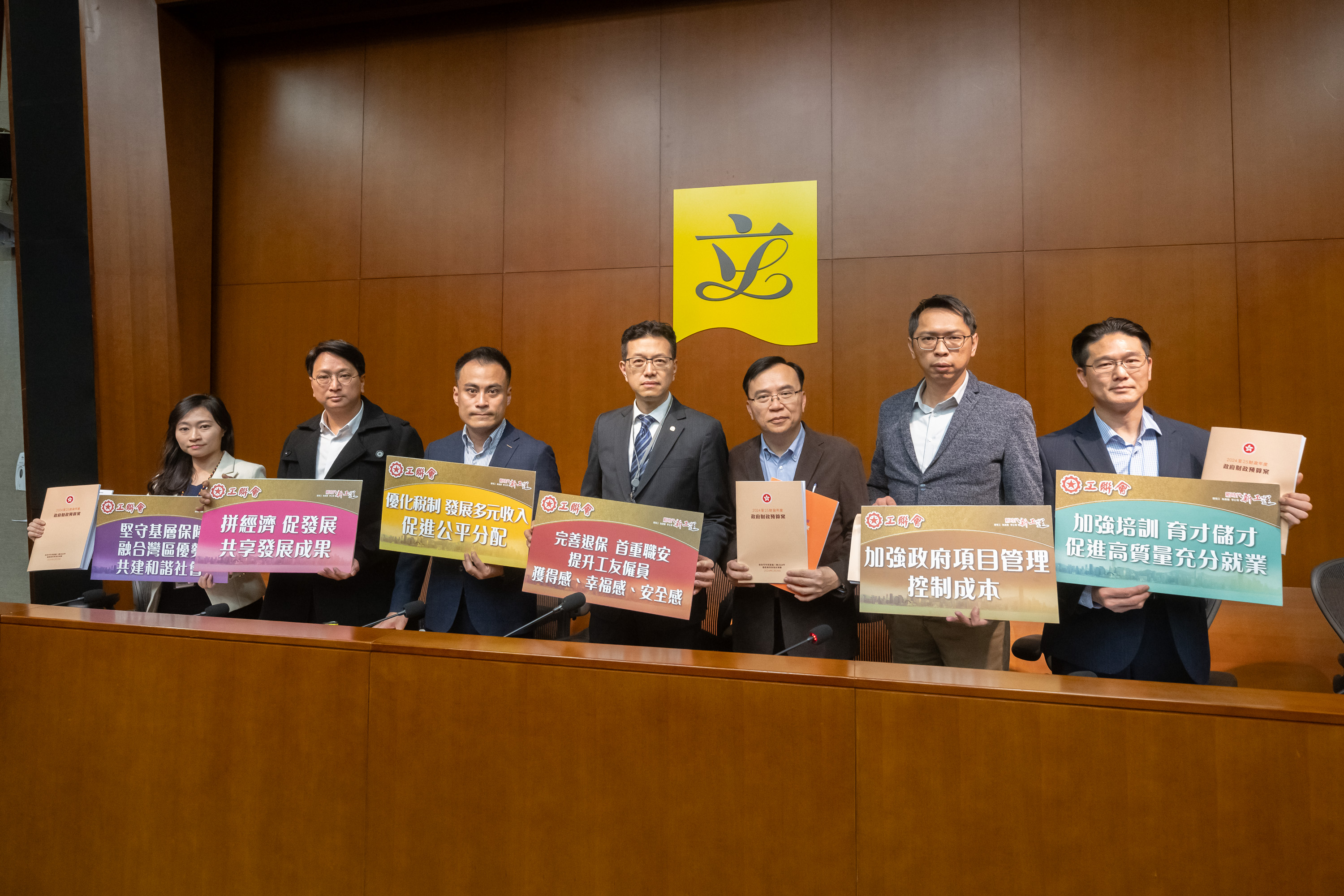

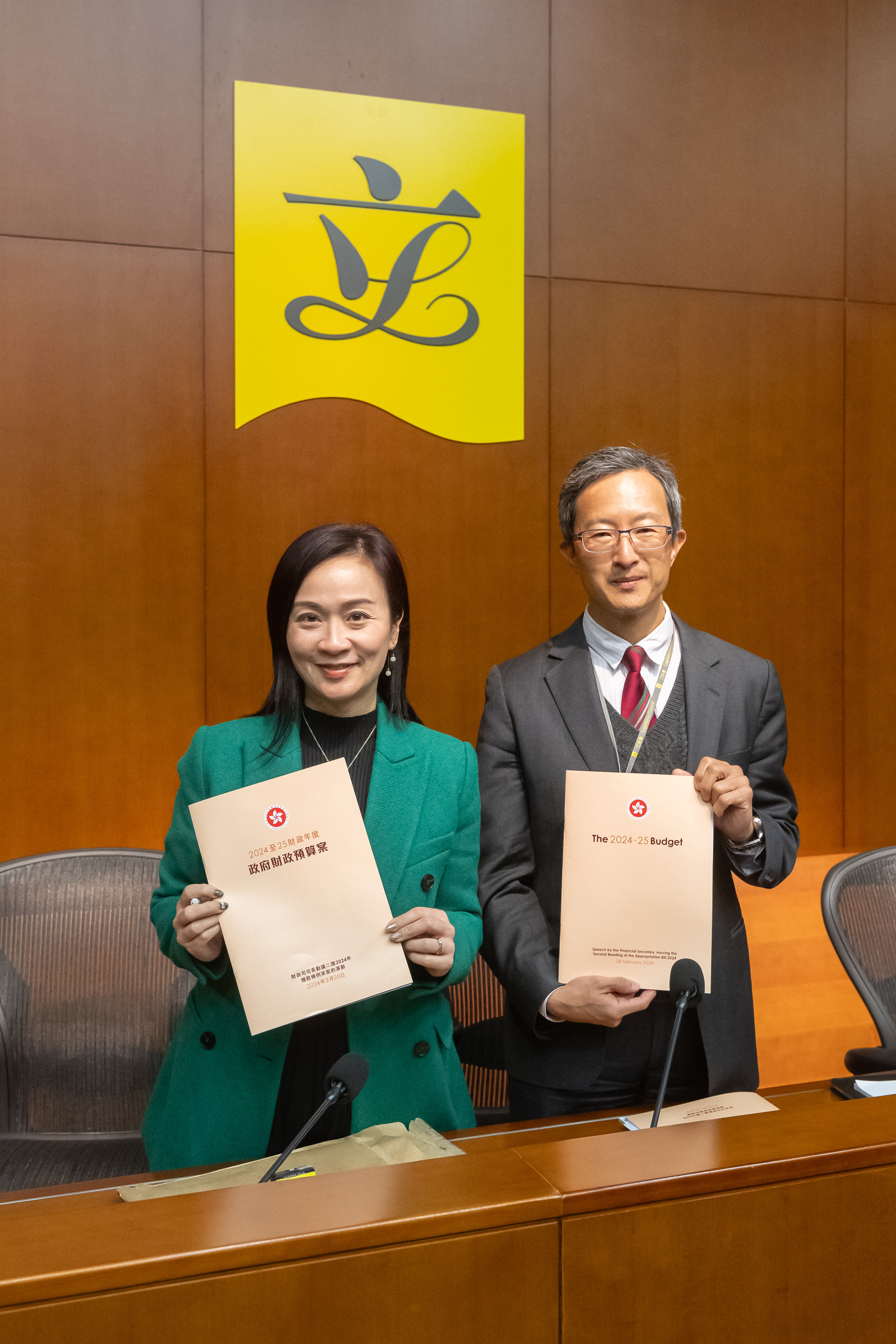
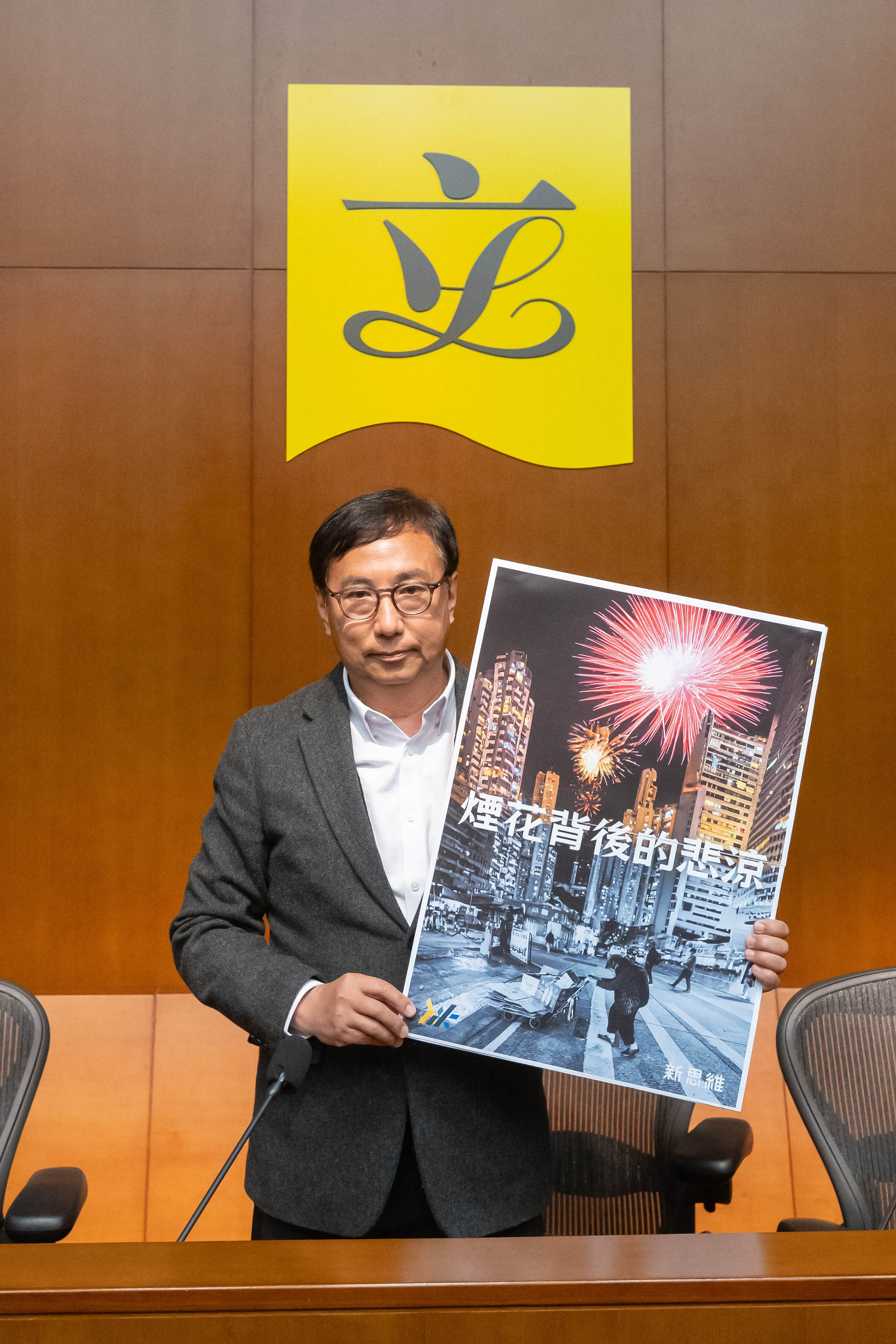

Members of different political affiliations meet the press to express their views on the Budget Speech
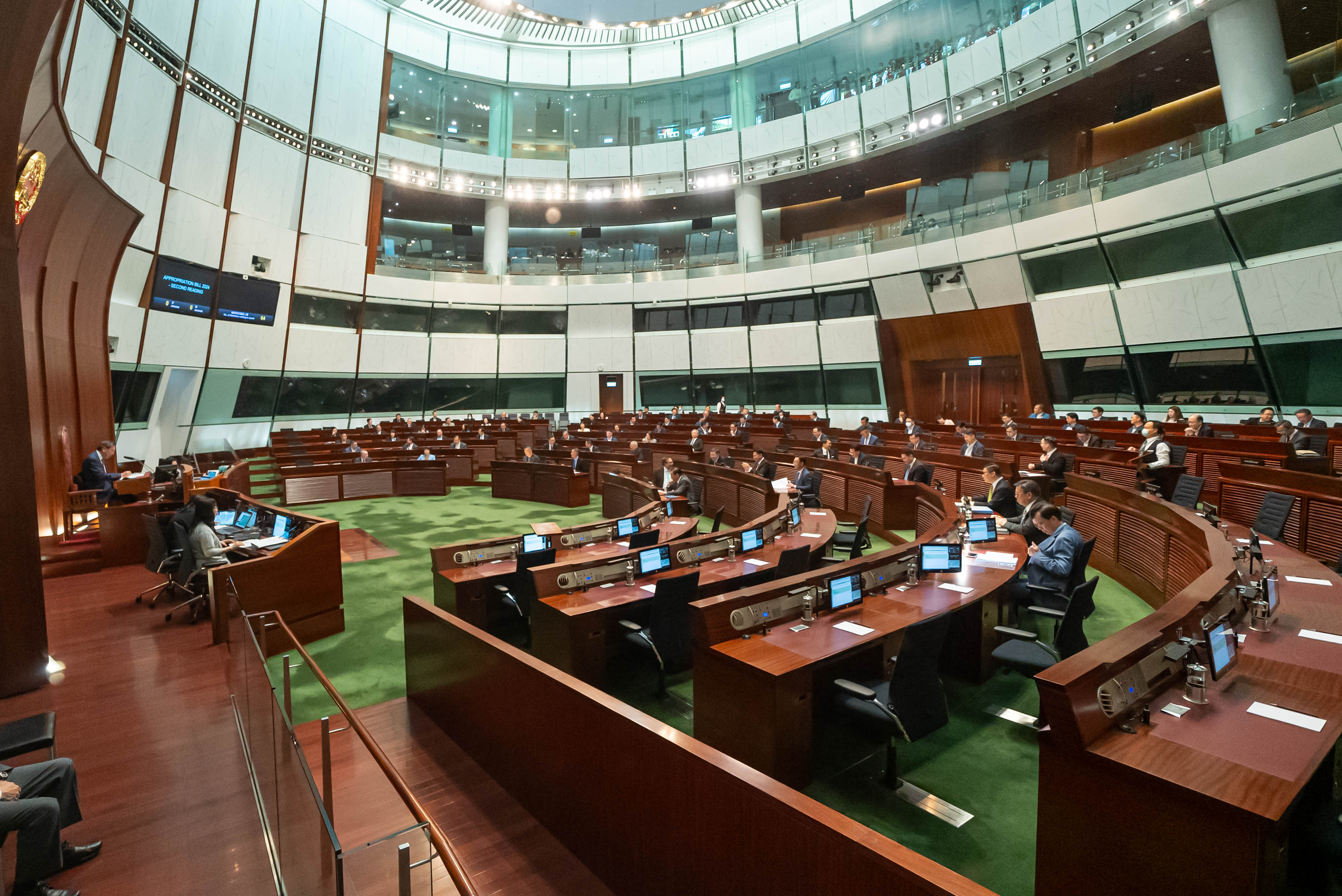
The Second Reading debate on the Appropriation Bill 2024 resumes at the Council meeting of 24 April 2024
Address by the Chief Executive
The Chief Executive addressed the Council under Rule 8(a) of the Rules of Procedure at the meeting of 19 March 2024 on the Council’s passage of the Safeguarding National Security Bill.
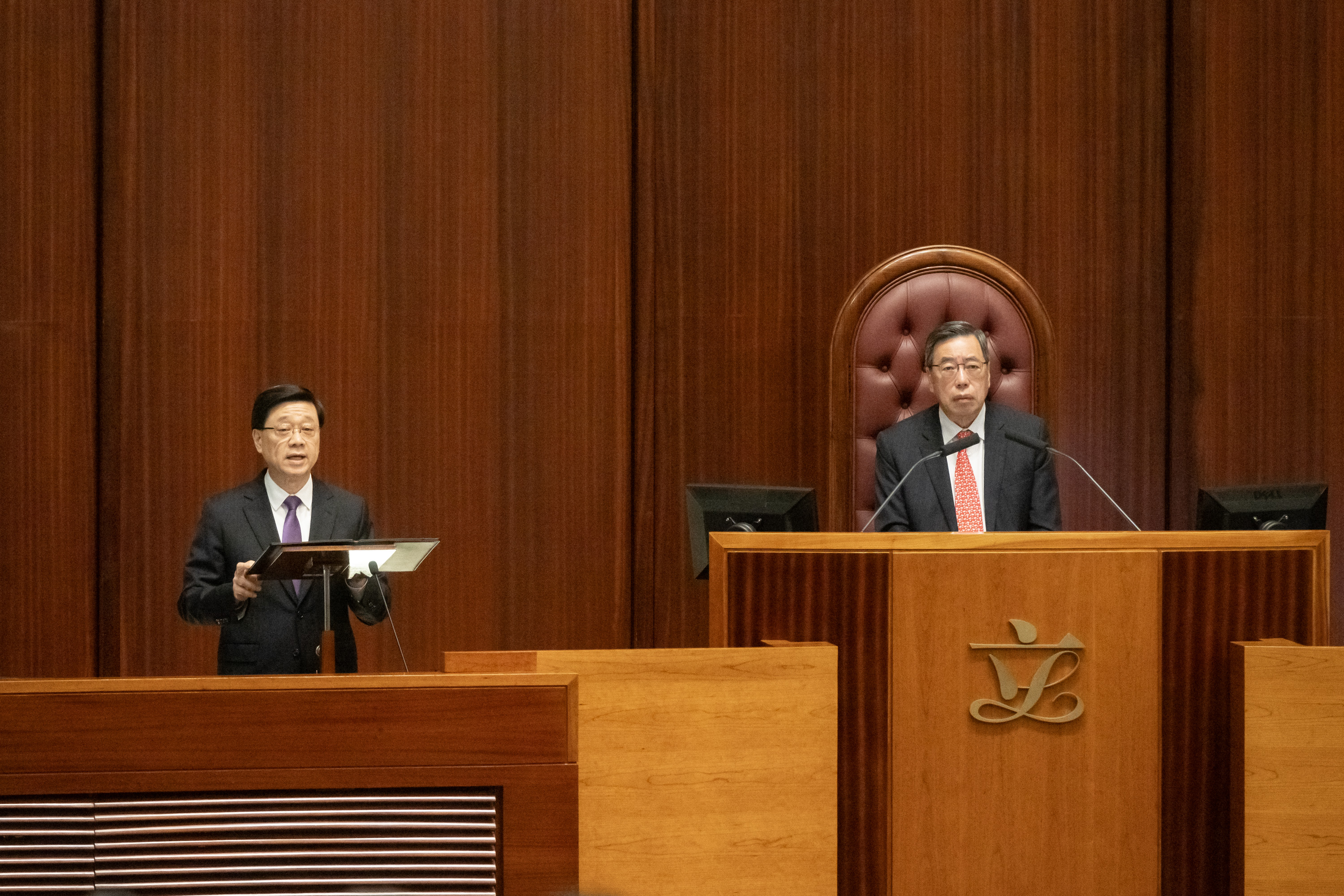
The Chief Executive attends the meeting and addresses the Council after the Council has completed the scrutiny of the Bill
The Chief Executive’s Question and Answer Sessions and Interactive Exchange Question and Answer Sessions
In addition to the Chief Executive (“CE”)’s Question and Answer Session (“Q&A”) held in October 2024, two CE’s Interactive Exchange Q&As were held in January and June 2024. Introduced by CE in 2023 to optimize the contribution of “patriots administering Hong Kong”, the Interactive Exchange Q&As combine the advantages of conventional CE’s Q&As, motion debates, and Policy Address consultation. These sessions facilitate CE in explaining policies, communicating with Members, and collecting views to assist him in formulating policy decisions. Through fruitful exchanges, both the Government and Members can make recommendations on measures and policies.
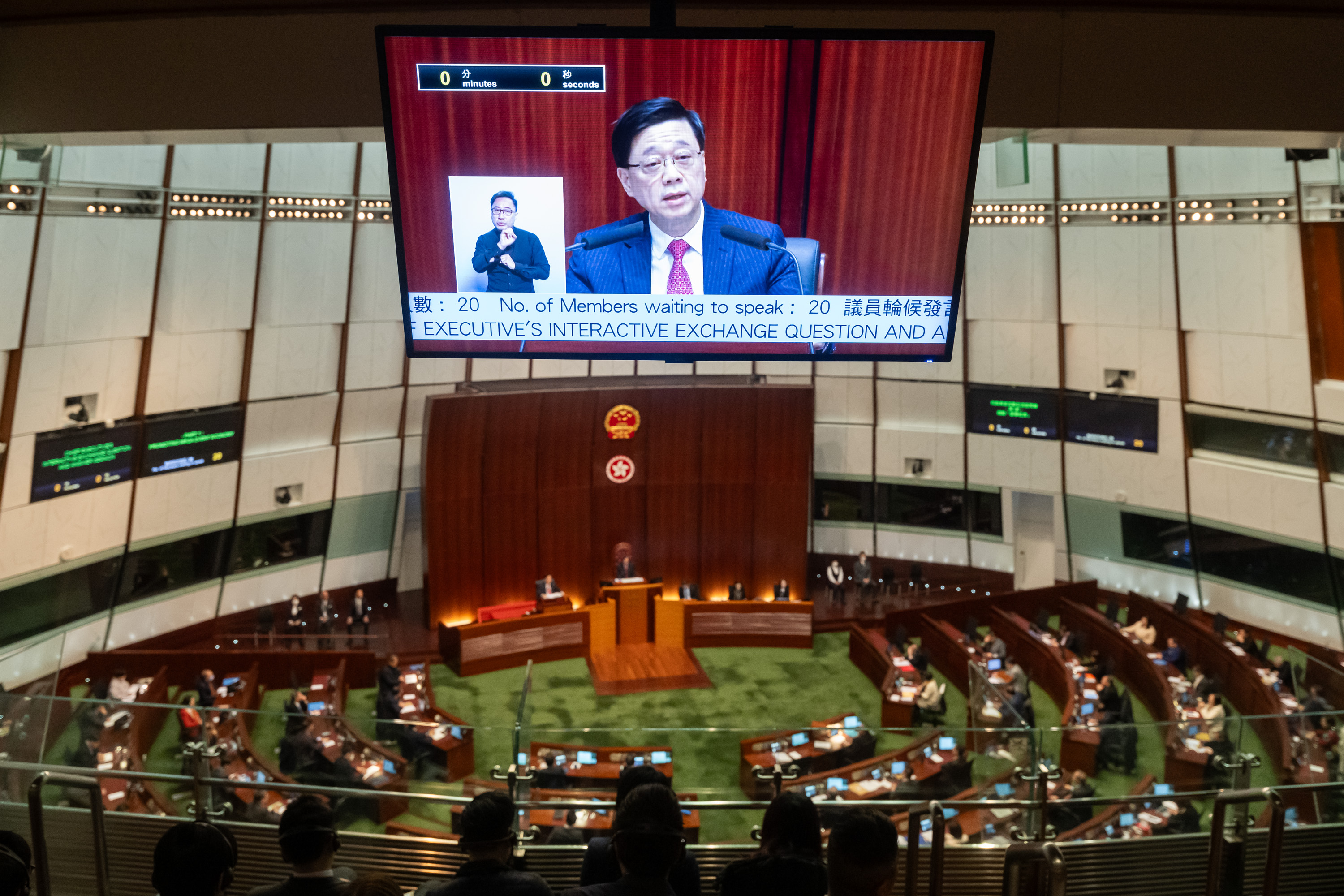
The Chief Executive and Members make fruitful exchanges at the Chief Executive’s Interactive Exchange Question and Answer Session on 25 January 2024
Introduction
Introduction
Tabling of subsidiary legislation, papers and reports
Questions
Bills
Motions
Policy Address debate
Budget debate
Address by the Chief Executive
The Chief Executive’s Question and Answer Sessions and Interactive Exchange Question and Answer Sessions